



A trusted knitwear manufacturer
A trusted knitwear manufacturer empowering your brand expansion.
Start your brandjourney today.
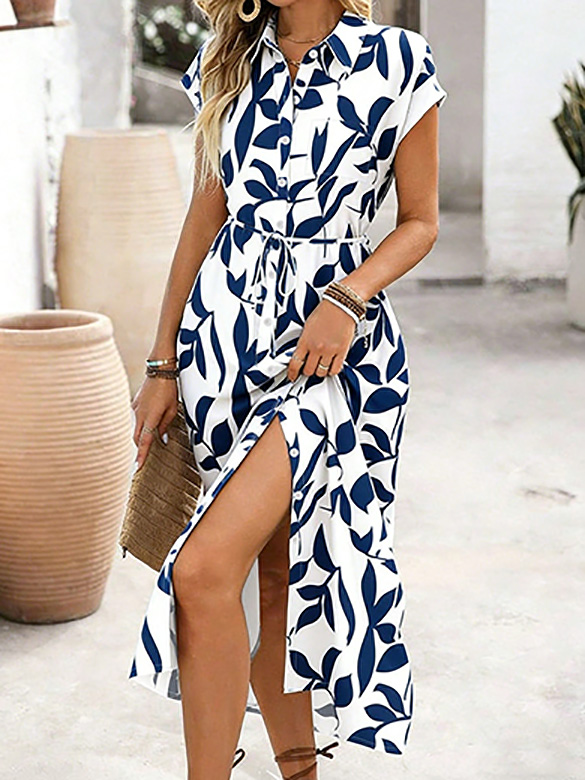
OEM and ODM are two common clothing manufacturing models used by fashion brands, retailers, and wholesalers. The main difference is who provides the product design and how much customization the manufacturer offers.
View More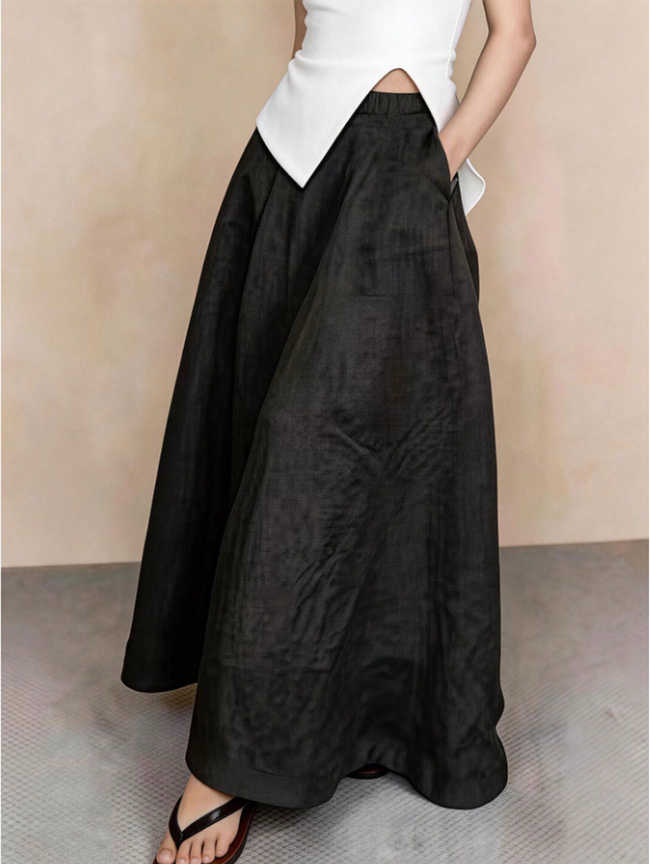
Choosing a reliable women's skirts and dresses manufacturer is essential for fashion brands, retailers, and wholesalers looking to maintain product quality and build a stable supply chain. The right manufacturer should offer consistent workmanship
View More
Garment decoration is evolving as fashion brands seek more distinctive designs, personalized products, and durable finishes. From puff printing and embroidered logos to direct-to-garment (DTG) printing, modern decoration techniques help clothing manufacturers create apparel that stands out in competitive markets
View More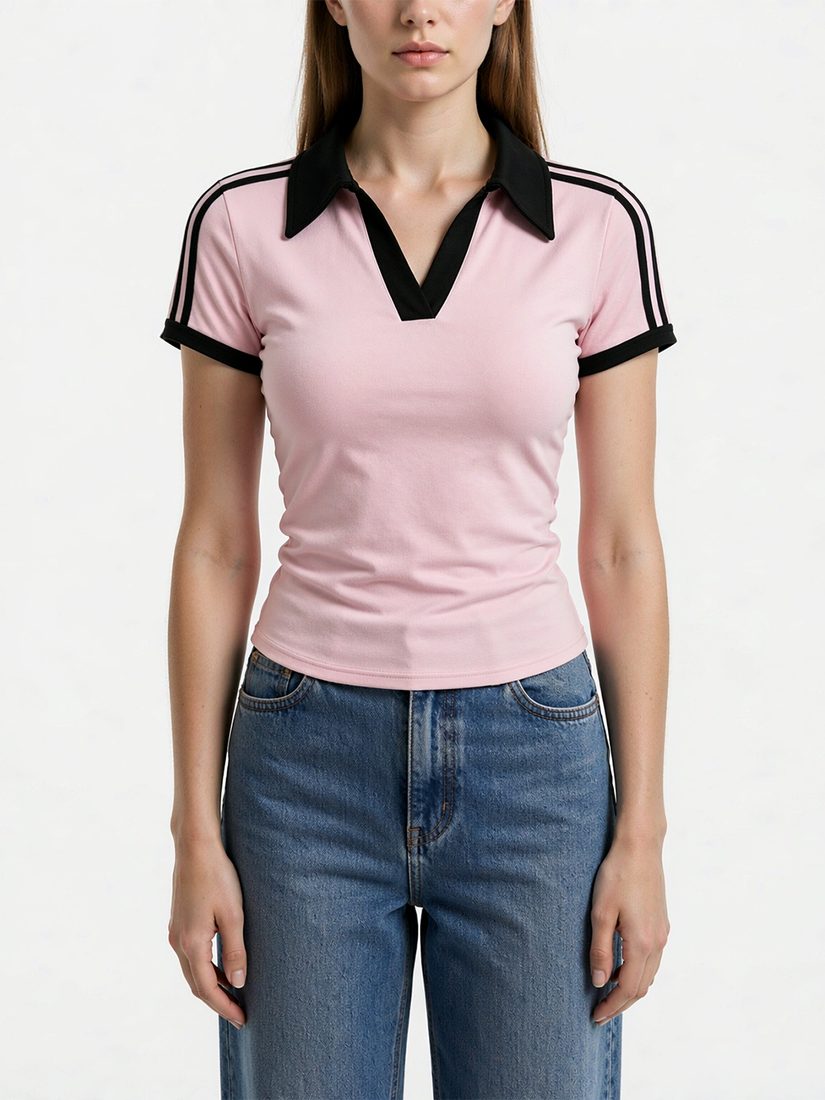
Fashionable clothing combines fabric selection, pattern making, cutting, sewing, printing, and finishing techniques to achieve a specific style, fit, and appearance. From everyday casual wear to high-end fashion, each manufacturing technique contributes to the garment's quality, comfort, and visual appeal.
View More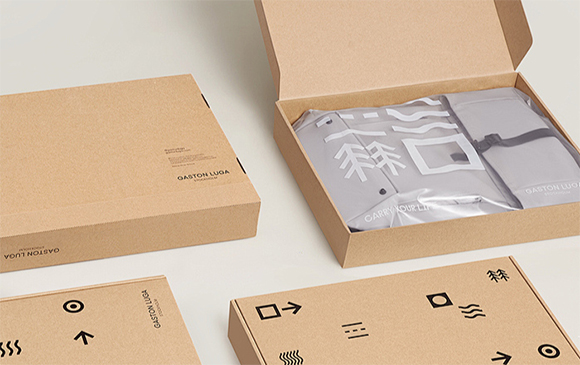
Woven labels, printed labels, heat transfer labels, hang tags, polybags and gift boxes each do a different job for a private label brand. This guide covers which label type suits which garment, what to specify on a label order, and how packaging affects cost and lead time.
View More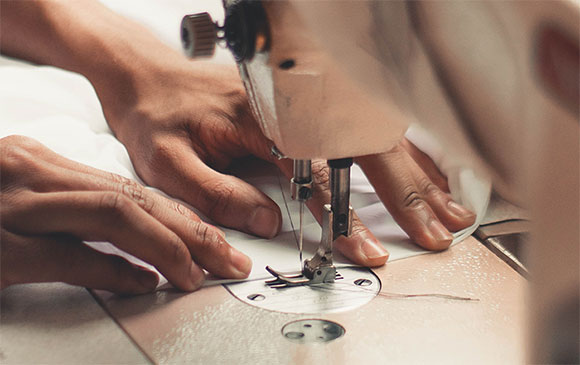
Screen printing, DTG, embroidery and heat transfer all print a t-shirt, but they behave differently after washing, cost differently at 100 pieces versus 2,000, and accept different artwork. This guide compares how each method works and which one fits your order.
View More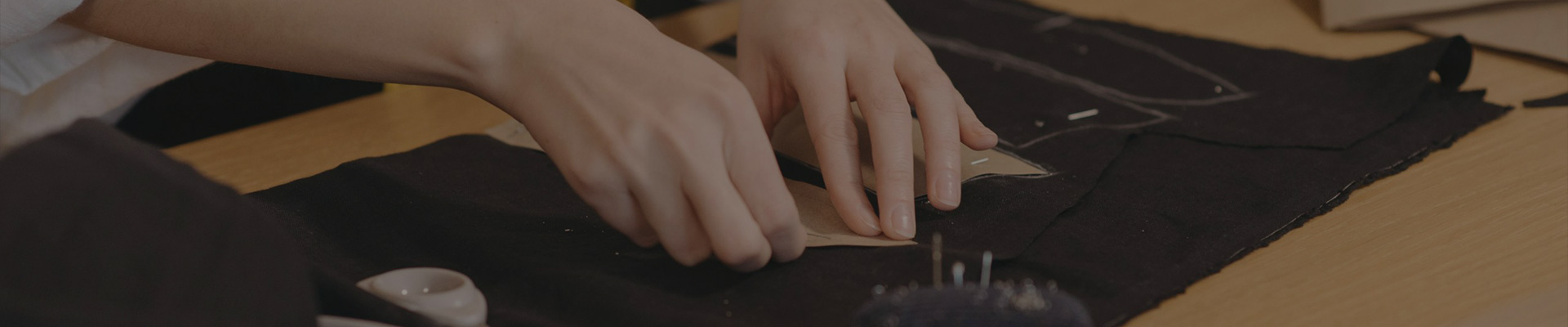
A low MOQ clothing manufacturer accepts 100-300 pieces per style per color instead of 1,000+. This guide covers typical minimums by garment type, how MOQ is calculated per style and color, and how to negotiate a smaller first order.
View More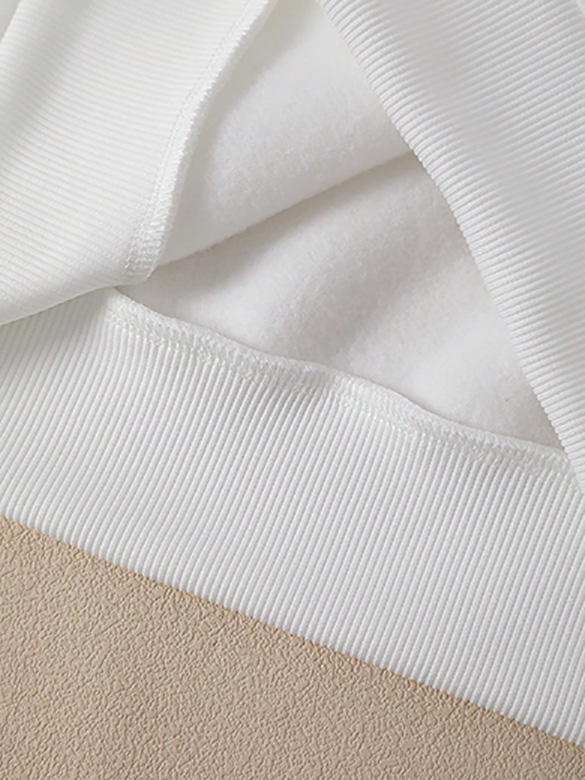
Custom clothing manufacturing cost is built from five core components: fabric, labor, sample development, secondary processing, and logistics. This guide breaks down how each component contributes to your per-unit price, what makes costs go up, and how to reduce manufacturing cost without cutting quality.
View More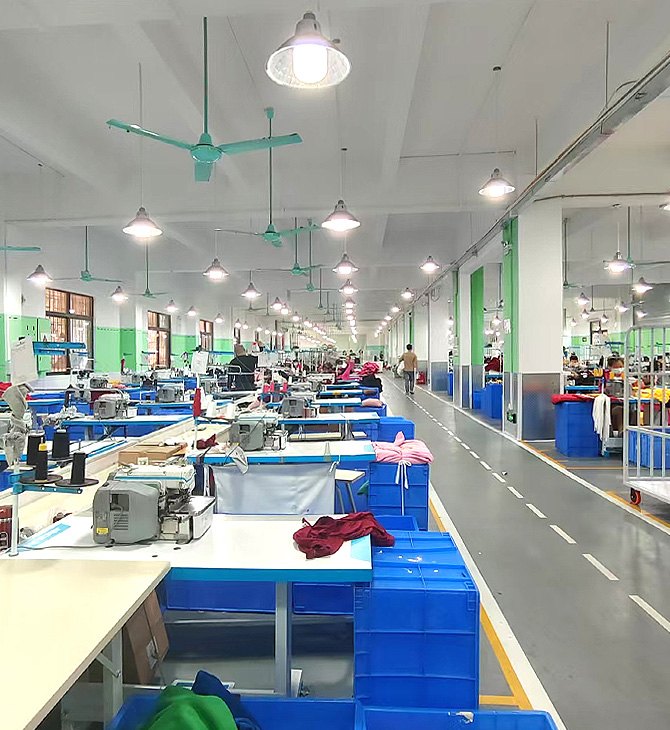
Custom clothing manufacturing lead time is built from four separate stages: sampling, fabric sourcing, bulk production, and final inspection. This guide explains how long each stage really takes for custom knitwear, what makes a schedule slip, and how to plan backwards from your in-store date.
View More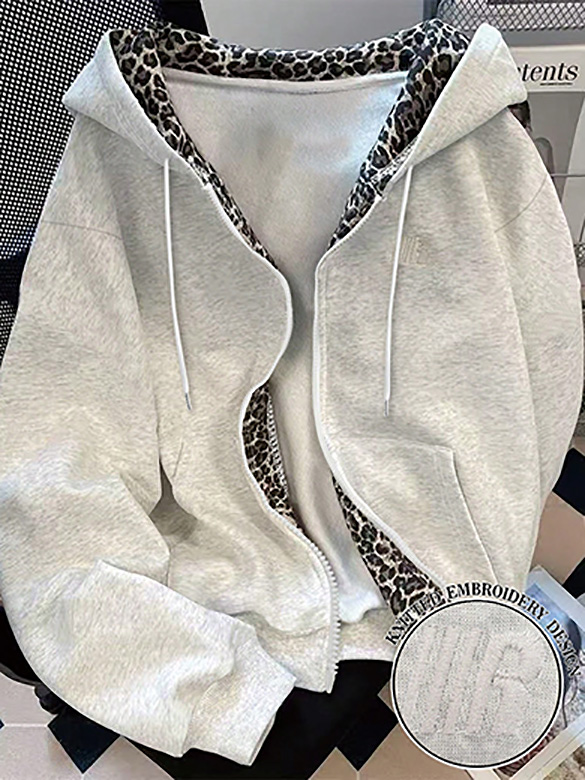
French terry is a soft knit fabric with loops on one side and a smooth face on the other. This guide explains what french terry is made of, how it differs from regular terry cloth, common fabric weights, and how brands use it for custom hoodies and sweatshirts.
View More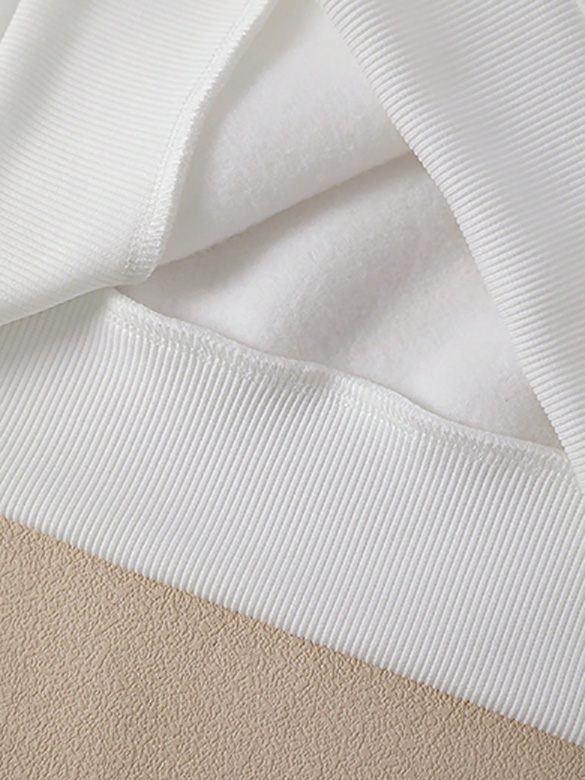
French terry and fleece are two of the most popular knit fabrics for custom hoodies. This guide compares their weight, warmth, breathability, durability, and best-use cases to help brands choose the right fabric for their hoodie line.
View More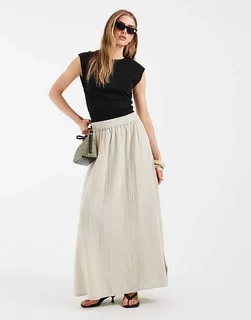
Discover the key questions brands should ask a private label clothing manufacturer about MOQ, samples, fabrics, branding, production, and packaging.
View More
Tel:+61 414 284 868
E-mail: sharon.apparelco@gmail.com
Address:Room 101, No. 49, Chonghuan East Road, Shijie Town, Dongguan City, Guangdong Province
Copyright © 2026 Dongguan Sharon Garment Co., Ltd. All rights reserved.
Privacy Policy / Cookie Policy / Terms & Conditions